
Unraveling the historical evolution of gambling From ancient rituals to modern casinos
The Origins of Gambling: Ancient Civilizations
The history of gambling can be traced back thousands of years, with evidence found in ancient civilizations such as Mesopotamia and China. Archaeological findings reveal that games of chance, often involving dice made from animal bones, were prevalent among the earliest societies. These games were not merely for entertainment; they played a role in religious and social rituals, often linked to divination and fate. It is fascinating to see how gambling has transformed, with various options today, including non gamstop casinos, offering different experiences.

In ancient Egypt, evidence of gambling can be seen in tomb paintings depicting games of chance, while the Chinese introduced the first known lottery around 200 BCE. Gambling was integral to social interaction, reflecting cultural values and the human desire for risk and reward. Such practices laid the groundwork for the more structured forms of gambling that would develop in later centuries.
The Evolution of Gambling in the Middle Ages
As society progressed into the Middle Ages, gambling took on new forms, particularly with the rise of card games and the establishment of betting houses. The playing card, which originated in China, became a significant element in European gaming culture. These card games evolved, leading to the development of various modern casino games such as poker and blackjack.
Betting on games and sports became increasingly popular during this time, often sanctioned by local authorities as a means of generating revenue. The formation of formal gambling establishments began, paving the way for the modern casinos that would emerge in the following centuries. This period marked a significant shift as gambling transitioned from a casual pastime to an organized activity within society.
The Birth of Modern Casinos
The concept of the casino as we know it today began to materialize in the 17th and 18th centuries, particularly in Italy and France. The first official casino, the Ridotto, opened in Venice in 1638, providing a controlled environment for gambling. It was here that players could enjoy games like baccarat and other early gambling establishments that emphasized luxury and entertainment.
The expansion of casinos throughout Europe and later in America during the 19th century showcased the growing popularity of gambling. The establishment of Las Vegas in the 20th century revolutionized the industry, transforming it into a global entertainment hub. Modern casinos offer not only games of chance but also lavish accommodations, dining, and entertainment, further solidifying their status in popular culture.
The Impact of Technology on Gambling
In recent decades, technological advancements have drastically altered the gambling landscape. The introduction of the internet in the late 20th century ushered in the era of online gambling, providing accessibility to a global audience. Players can now engage in a variety of games from the comfort of their homes, a convenience that has led to a surge in online casinos.
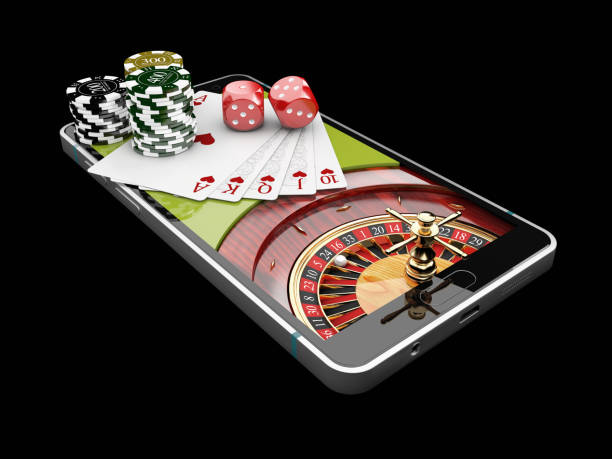
Additionally, mobile gaming has further expanded the reach of gambling, allowing individuals to play games on their smartphones and tablets. This evolution has reshaped how people interact with gambling, leading to new trends and behaviors that challenge traditional casino experiences. As technology continues to innovate, the gambling industry will undoubtedly adapt to meet the demands of modern consumers.
Exploring the Future of Gambling
As we look ahead, the future of gambling seems poised for further transformation. Emerging technologies such as virtual reality and blockchain are beginning to play roles in reshaping how gambling operates. Virtual casinos offer immersive experiences that mimic the thrill of physical gambling environments, while blockchain ensures transparency and fairness in transactions, attracting a more tech-savvy audience.
Moreover, responsible gambling initiatives are gaining importance, with increased awareness of the social implications of gambling. As the industry evolves, balancing entertainment with social responsibility will be crucial. Our website aims to provide insights into the ongoing evolution of gambling, offering valuable information for those interested in understanding its historical context and future potential.